

Designing a Pulse Oximetry Study for Regulatory Success
Regulatory Expectations for Pulse Oximetry Validation
Regulators expect robust clinical evidence when evaluating pulse oximeter performance. This evidence must demonstrate device accuracy across a defined range of oxygen saturation levels.
To generate this evidence, organizations conduct pulse oximetry validation studies in controlled clinical environments. The physiological datasets collected in these studies are used to assess performance in accordance with ISO 80601-2-61, the international standard governing the basic safety and essential performance of pulse oximeter equipment.
These studies typically rely on controlled desaturation protocols performed in specialized hypoxia labs.
Designing a Controlled Desaturation Study
Designing an effective pulse oximetry study requires careful planning.
Researchers must define:
Oxygen saturation target ranges
Sampling intervals
Data collection procedures
Reference measurement methods
These elements ensure that the study generates meaningful data for medical device validation.
Selecting Reference Measurements
Reliable validation depends on comparing device readings with an accurate reference.
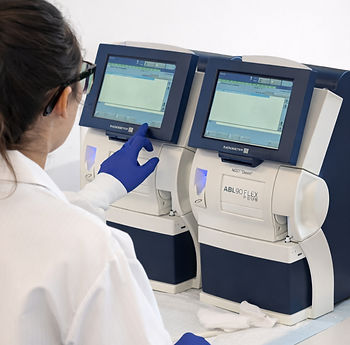
For pulse oximetry testing, arterial blood samples analyzed by co-oximetry SaO₂ provide the reference measurement. Co-oximetry uses spectrophotometric analysis of hemoglobin species in blood to provide an accurate measure of arterial oxygen saturation.
Ensuring GCP Compliance
Clinical studies supporting regulatory submissions must follow recognized research standards.
High-quality pulse oximetry studies adhere to:
Good Clinical Practice (GCP compliance)
ISO 14155 clinical investigation guidelines
Structured data management procedures
These practices ensure transparency and traceability throughout the study.
Producing Regulator-Ready Clinical Data
When designed correctly, a pulse oximetry study produces the evidence needed to evaluate device performance.
Parameters Research Laboratory combines controlled desaturation testing, co-oximetry SaO₂, and strict GCP compliance to generate datasets that support medical device validation and regulatory review. Contact us to discuss your study today!


Comments