

Controlled Desaturation Studies for Pulse Oximeter Validation
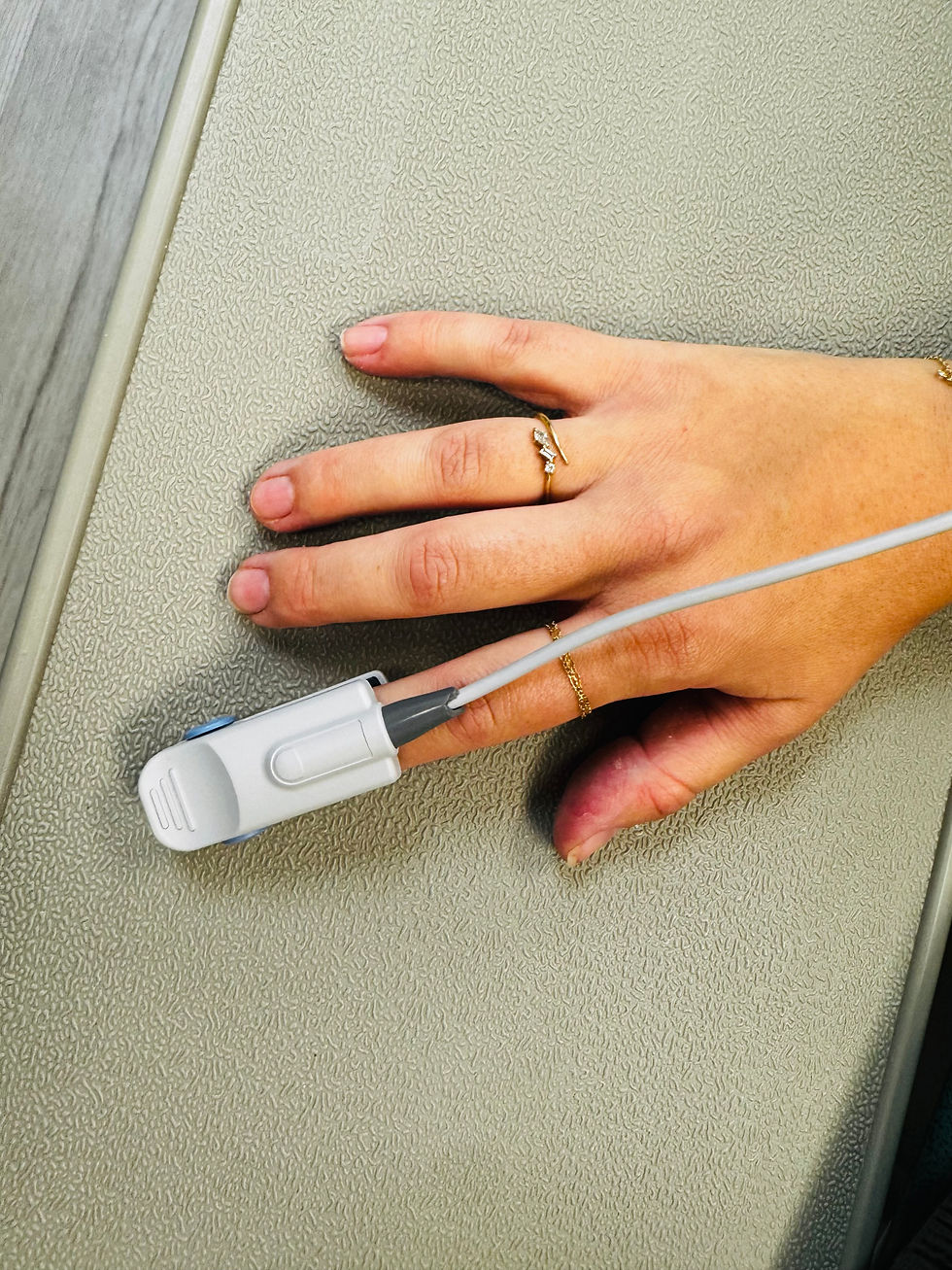
Controlled desaturation studies are central to pulse oximeter validation because they allow Sponsors to evaluate device accuracy across a broad range of oxygen saturation levels under carefully supervised conditions.
These studies generate the regulator-ready evidence required for pulse oximetry validation and FDA submissions.
What Is a Controlled Desaturation Study?

A controlled desaturation study gradually lowers oxygen saturation levels while synchronized physiological measurements are collected.
During the study, investigators obtain:
SpO₂ measurements from investigational devices
SaO₂ reference measurements from arterial blood samples
Continuous physiological monitoring data
This process helps determine how closely device estimates align with reference oxygen saturation values.
Why Controlled Desaturation Is Important
Pulse oximeters must perform accurately across varying saturation levels.
Controlled desaturation studies help Sponsors:
Evaluate accuracy across the intended operating range
Assess algorithm performance
Identify signal limitations
Support regulatory submissions
Generate regulator-ready datasets
Without controlled physiological variation, device performance may not be fully characterized.
The Role of Hypoxia Labs
Controlled desaturation studies are typically conducted in specialized hypoxia labs equipped for:
Continuous physiological monitoring
Controlled oxygen manipulation
Arterial blood sampling
Participant safety oversight
Synchronization of reference and investigational systems
Operational consistency is critical for high-quality datasets.
Why Time Synchronization Matters
Physiological conditions can change rapidly during desaturation procedures.
Protocols should define:
Timestamp synchronization
Sample timing procedures
Signal averaging windows
Artifact handling workflows
Poor synchronization can artificially affect agreement analysis.
Inclusive Participant Recruitment
Optical sensing performance may vary across skin tones.
Modern pulse oximetry studies increasingly prioritize inclusive recruitment using frameworks such as the Monk scale.
Parameters Research Laboratory (PRL) supports diverse participant recruitment aligned with Open Oximetry Project initiatives.
Regulatory Expectations
Regulatory reviewers evaluate:
Controlled desaturation procedures
Co-oximetry reference quality
Participant diversity
Data handling transparency
Statistical methodologies
Signal synchronization workflows
Regulator-ready documentation is essential.
Why CRO Expertise Matters
Controlled desaturation studies require specialized physiological monitoring expertise and operational infrastructure.
PRL supports Sponsors through:
Hypoxia lab operations
Controlled desaturation protocols
Arterial sampling workflows
Multi-parameter physiological monitoring
Regulator-ready endpoint development
Risk mitigation planning
Conclusion
Controlled desaturation studies are foundational to pulse oximeter validation because they provide the physiological variability needed to evaluate device accuracy across a clinically relevant saturation range.
Call to Action
Planning a pulse oximeter validation study? Contact PRL to discuss controlled desaturation protocols, inclusive recruitment strategies, and regulator-ready clinical evidence generation.


Comments